Ronan Farrow Spent Months Reporting on Sam Altman. The New Yorker Published It the Day Before Someone Threw a Firebomb at His House.
What launched / what broke
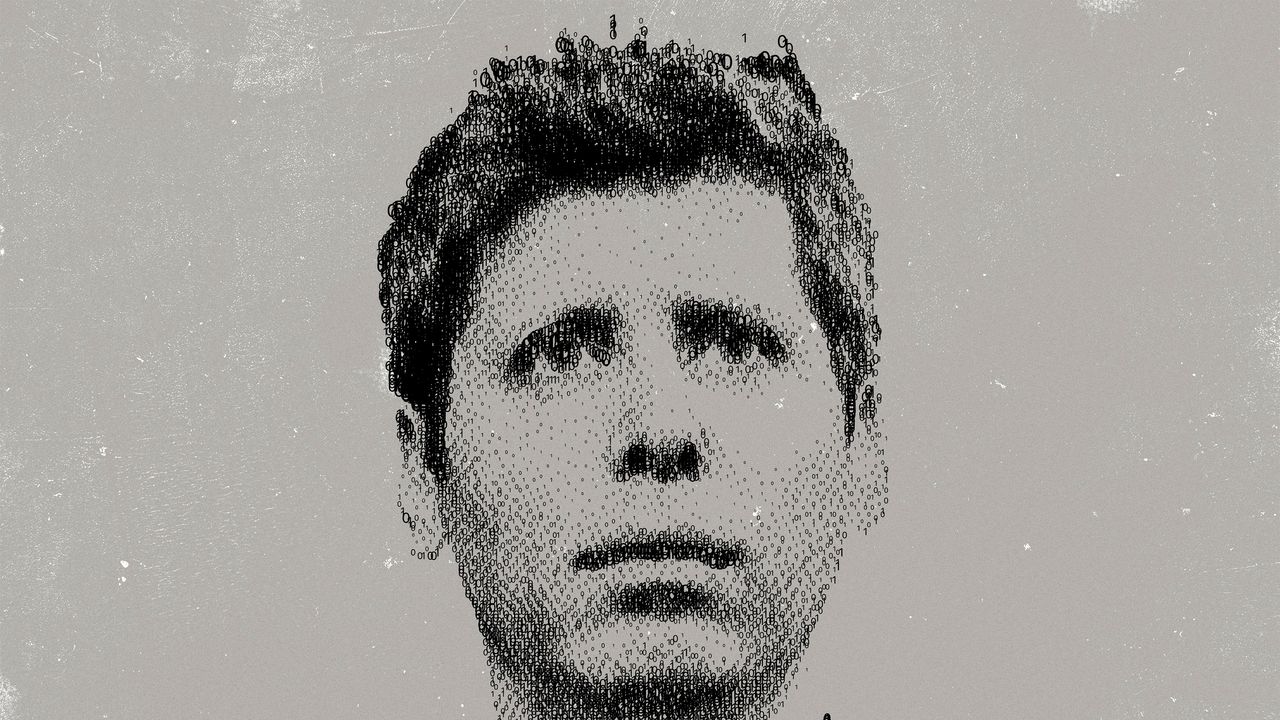
The New Yorker published Ronan Farrow's profile of Sam Altman on April 10 for the April 13 2026 issue, titled 'Sam Altman May Control Our Future. Can He Be Trusted?' Farrow documented the 2023 board firing in granular detail: directors concluded Altman had repeatedly misled them on safety reporting, equity maneuvers, and side deals, firing him before Microsoft pressure forced reinstatement within five days. The piece compiles on-the-record and deep-background accounts of a consistent pattern where Altman flatters, isolates, then undermines anyone who slows product velocity. David Szauder's AI-generated cover portrait for the piece immediately became its own minor scandal, proving even The New Yorker had surrendered to the tools Altman sells. The next night a 20-year-old threw a Molotov cocktail at Altman's San Francisco home with no injuries. The timing is probably coincidence: the attacker is 20 years old and the attack is exactly the kind of unhinged escalation that follows high-visibility profile coverage of any powerful person. What matters is not the timing but the aftermath: the firebomb handed Altman a sympathetic news cycle that buried the profile's substance in 24 hours.
The pitch is a messianic founder racing toward safe superintelligence for all humanity; the reality is a founder whose own hand-picked board decided he could not be trusted with basic fiduciary honesty, yet who still runs the most valuable private company on earth.
What Nobody at the Company Can Say
Every major lab, regulator, and cloud provider knows Altman treats governance as theater but cannot say so aloud because Microsoft's stake, employee paper gains, and the national security narrative would all collapse at once. Farrow's piece still pulled punches; the real story is that the 2023 fight was always secondary to a naked power struggle between people who wanted to ship and people who wanted guardrails that actually bite.
The Engineer Who Quit
Jan Leike's exit in 2024 after co-leading Superalignment is the clearest departure signal. After publicly stating OpenAI had prioritized products over safety and become incapable of developing safe AGI, Leike went largely silent. The Farrow profile functions as his unrebutted exit memo. Since then the pattern has been quiet attrition of everyone who remembers the original nonprofit charter.
Who Pays
Microsoft
Ongoing
Funds legal war chest and supplies Azure credits at discount, paying continuously since 2019 with no exit ramp regardless of governance failures
OpenAI employees
Every vesting cliff
Accept 4-year equity cliffs tied to a CEO the board once deemed untrustworthy, with no governance recourse if it happens again
Anonymous sources
Already paid
Career risk via background quotes, permanent exclusion from future OpenAI cap table events as unofficial punishment for cooperation
Dead Pool Watch
Altman survives on the 24-month timeline with 65 percent probability. The firebomb and Farrow piece raise personal physical risk but paradoxically reinforce his mythos as too powerful to fail. Real danger arrives only if Microsoft's Nadella decides the governance theater costs more than the brand damage, which has not happened in three years of compounding incidents.
In 6 Months
OpenAI delays any IPO filing past summer 2026 as fresh governance language from the Farrow piece poisons the roadshow narrative
Signal Polymarket stuck at 50 percent odds for $1T-plus IPO close despite continuous hype; any insider who flips to more public governance criticism confirms the delay
Musk lawsuit does not settle quietly; both sides use the discovery window aggressively for public positioning through the end of 2026
Signal Watch for each side's legal teams leaking escalating motions rather than 'productive settlement talks'; Musk has no incentive to settle while the narrative hurts Altman
What Would Change This
Actual board independence with removal power baked into the equity structure, not advisory theater. Microsoft pricing in governance failure instead of treating it as the cost of doing business. Regulators treating frontier model development like nuclear oversight rather than software. Until one of those three breaks, Altman remains the most powerful unchecked executive in tech because the money, the fear, and the race dynamics all point the same direction.
Prediction Markets
Prices as of 2026-04-12 — the analysis was written against these odds
Related
Three of OpenAI's Top Infrastructure Executives Just Left for Meta
dramaSomeone Threw a Firebomb at Sam Altman's House. He Responded With a Blog Post.
moneyAnthropic Hit $30B ARR. The Revenue Race Is Now About Lawyers.
cultureKarpathy Says There's a Growing Gap in AI Understanding. He Called It a Perception Problem. It's Actually a Pricing Problem.